


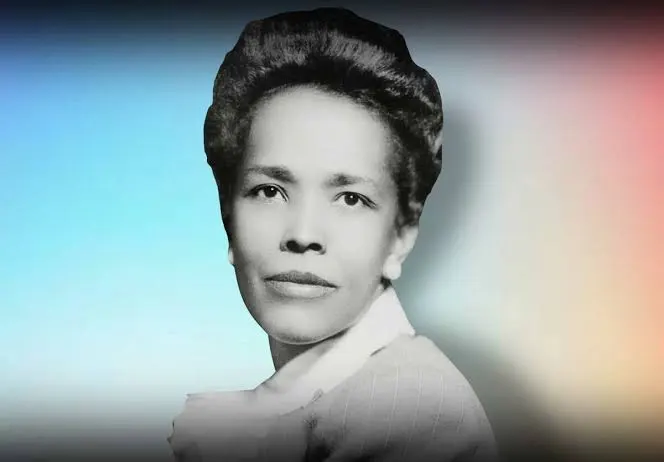
A life’s work that spanned more than five decades and rooted in political activism was
that of Ella Josephine Baker.
Baker was born Dec. 13, 1903, to Georgiana and Blake Baker in Norfolk, Virginia.
She is among the influential women pioneers who paved the way for other prominent
leaders such as Martin Luther King, Jr., and Malcolm X.
Her focus on African-American youth garnered her pivotal roles with the National
Association for the Advancement of Colored People (NAACP), the Southern Christian
Leadership Conference (SCLS), and the Student Nonviolent Coordinating Committee
(SNCC), three powerhouse civil rights organizations. Her role included working with
local movement leaders to craft strategic campaigns against lynching, job training and
equal pay for Black teachers.
Baker started her work with the NAACP in 1938 as a field secretary and later became
the director of branches. Her persistence in fighting for civil rights generated
controversial discussions among her male counterparts like Andrew Young.
Young once described Baker as a “determined woman.”
He was quoted as saying,“The Baptist church had no tradition of women in
independent leadership roles, and the result was dissatisfaction all around,” according
to the Stanford University Martin Luther King, Jr. Research and Education Institute.
As civil rights leaders in the 21st century continue advocating for African-Americans
related to these same challenges, Baker set the tone in 1938, providing guidance to
young Blacks that displayed interest in civil rights, one of them being known as “the
mother of the freedom movement,” Rosa Parks, according to Time Magazine.
Not only did Baker’s efforts lead young people to raise awareness regarding important
issues, she also led philanthropic campaigns to cultivate relationships and funding for
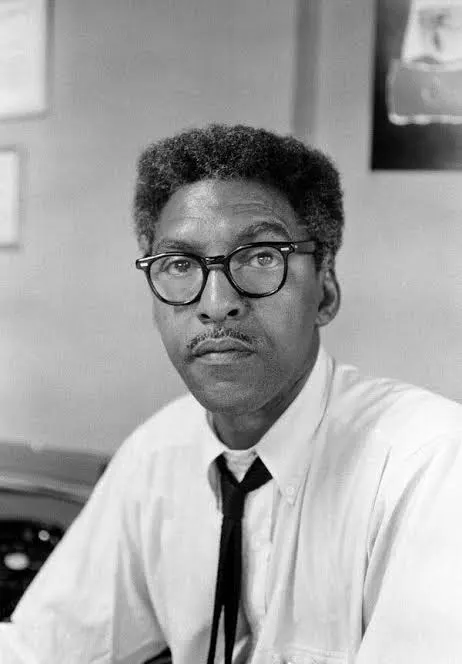
projects like the organization, In Friendship, in 1956 with co-founders Stanley Levison
and Bayard Rustin, which fueled many civil rights movements during that time.
Additionally, Baker’s career advanced, traveling across southern states, where she
arrived in Atlanta, Georgia to partner with King as director to spearhead another group
of young leaders, thus creating the Southern Christian Leadership Conference and
chartered the campaign to enforce voting rights for Blacks.
In August 2020, Joe Biden accepted the nomination to be the Democratic Party’s
nominee for president and quoted Baker. “Ella Baker, a giant of the civil rights
movement, left us with this wisdom: Give people light and they will find a way,” he said.
“Give people light. Those are words for our time. The current president has cloaked
America in darkness for much too long. Too much anger. Too much fear. Too much
division.”
Baker lived to be a champion for change, determined to make an impact and be the
difference for African-Americans enslaved preceding her. Her tenacity to stand firm in
her beliefs, much like our founder, Dr. Mary McLeod Bethune, is why she is Black
history. Although unheralded, we honor a woman in history that acted and never gave
up for what our young Black youth are still facing today.
“The major job was getting people to understand that they had something within their
power that they could use, and it could only be used if they understood what was
happening and how group action could counter violence.” – Ella Baker
The VOICE is pleased to share this story that was written by Congressman Young during his time as a student at B-CU.